CAMPAIGN

AUTUMN 2025

Lusitanian oak conservation
Quercus lusitanica

RESTORING TODAY THE WOODS OF TOMORROW

LusoQuercus is a Cibio-Biopolis project that develops an integrated approach for the conservation and restoration of Quercus lusitanica through complementary lines of action, supported by scientific and community engagement objectives.

Research

Integrate population genomics data and climate distribution models.

Conservation

Mapping, population protection, vegetative and seminal propagation of Quercus lusitanica

Restoration

Assisted planting using scientific knowledge followed by monitoring and corrective interventions.

Awareness

Dissemination sessions, volunteer actions and citizen science for occurrence logging and acorn collection.

Target species

Quercus lusitanica Lam.

Priority Conservation - Natura Network · Habitat 5330

PORTUGUESE NATURAL HERITAGE

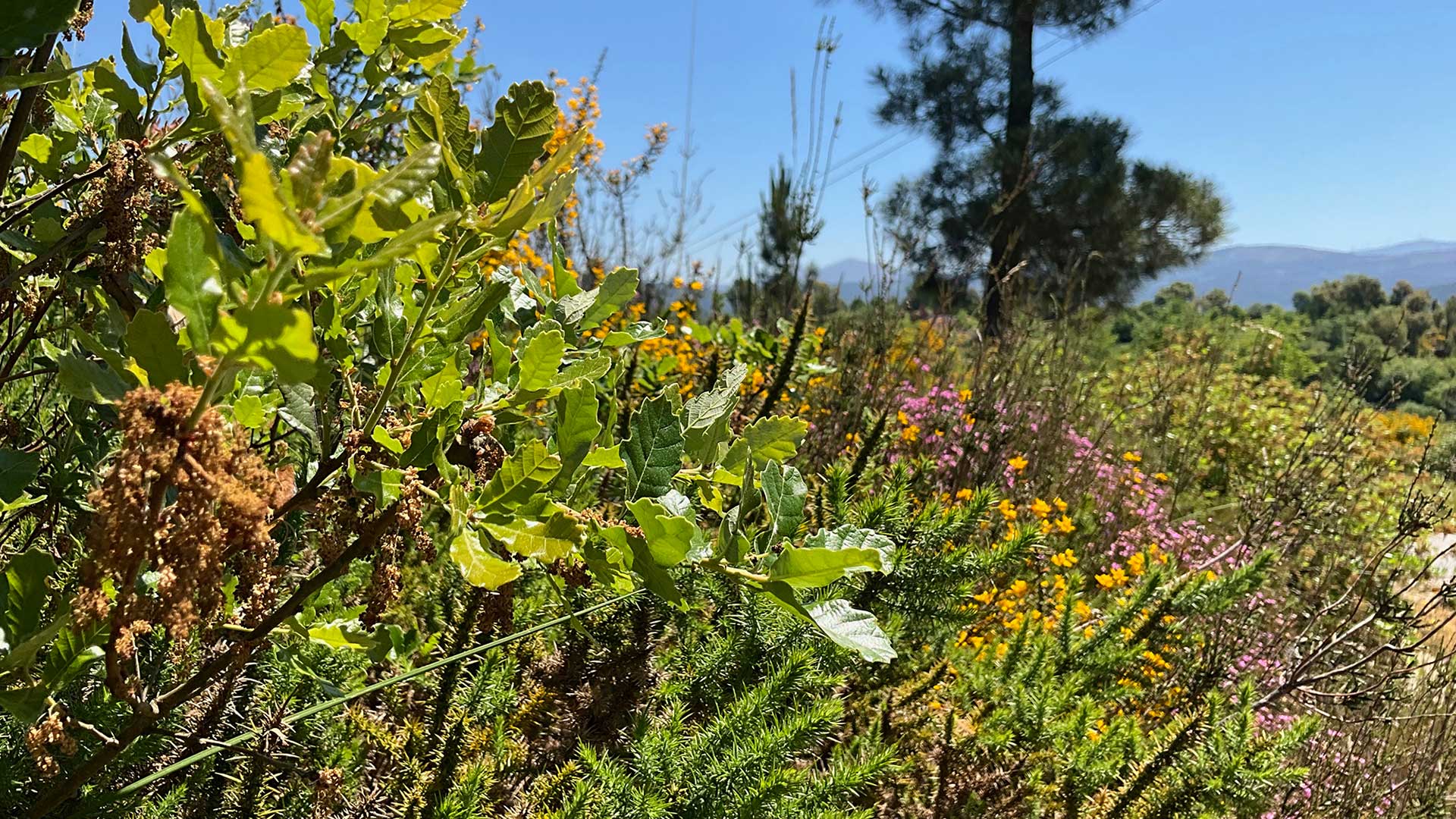
Dwarf oak native to Portugal, commonly called carvalhiça. Grows as a shrub that spreads through underground stems (rhizomes).

PIONEER SPECIES

The ability to propagate by rhizomes gives Q. lusitanica great resilience to fires, being one of the first species to emerge after fire and creating essential transition conditions for forest regeneration.
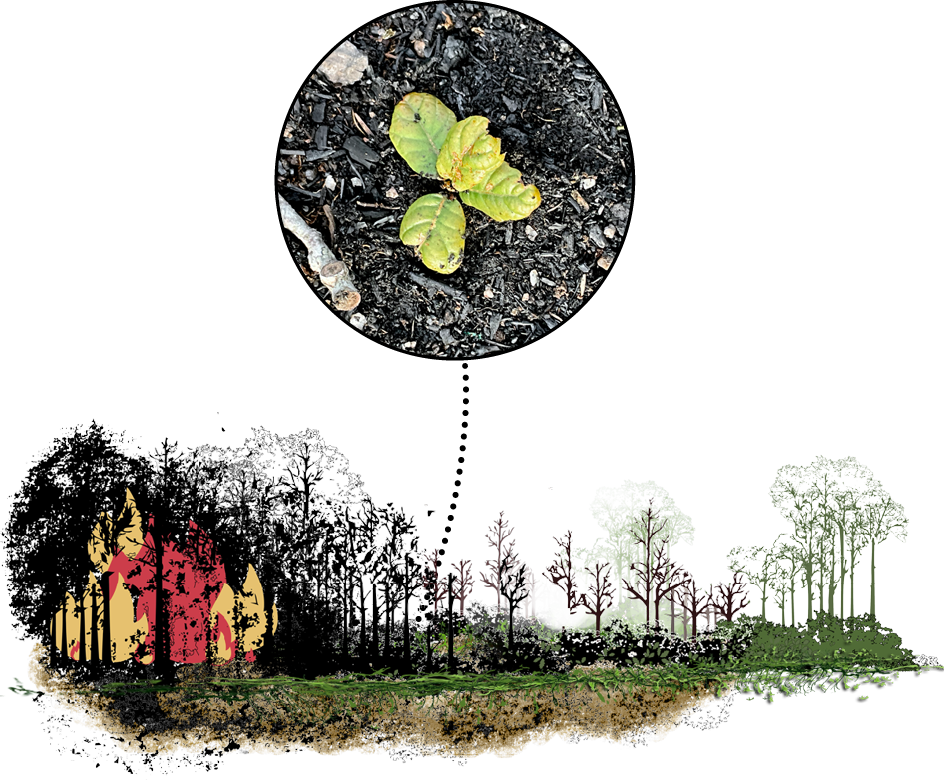
Regeneration after fire
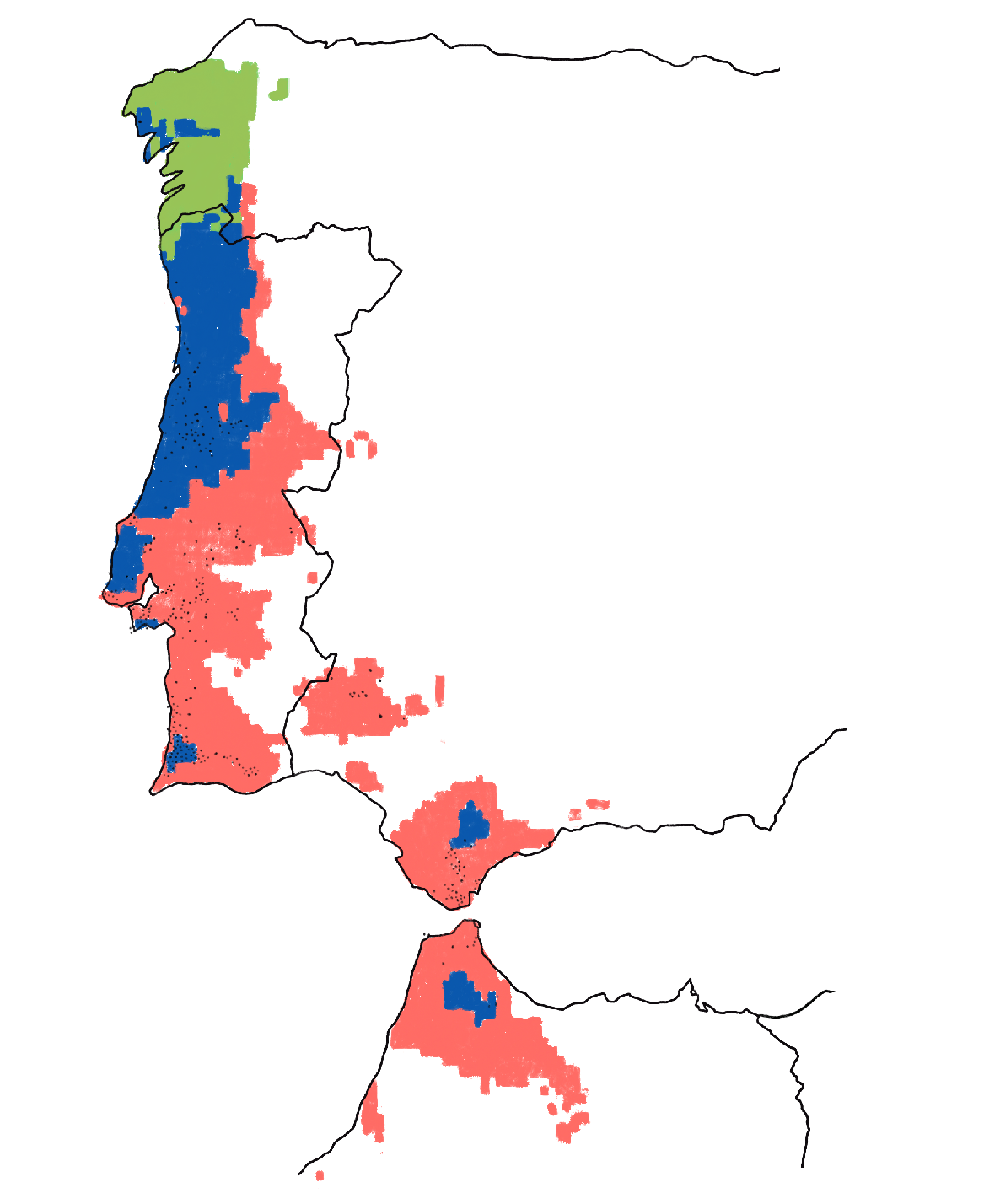
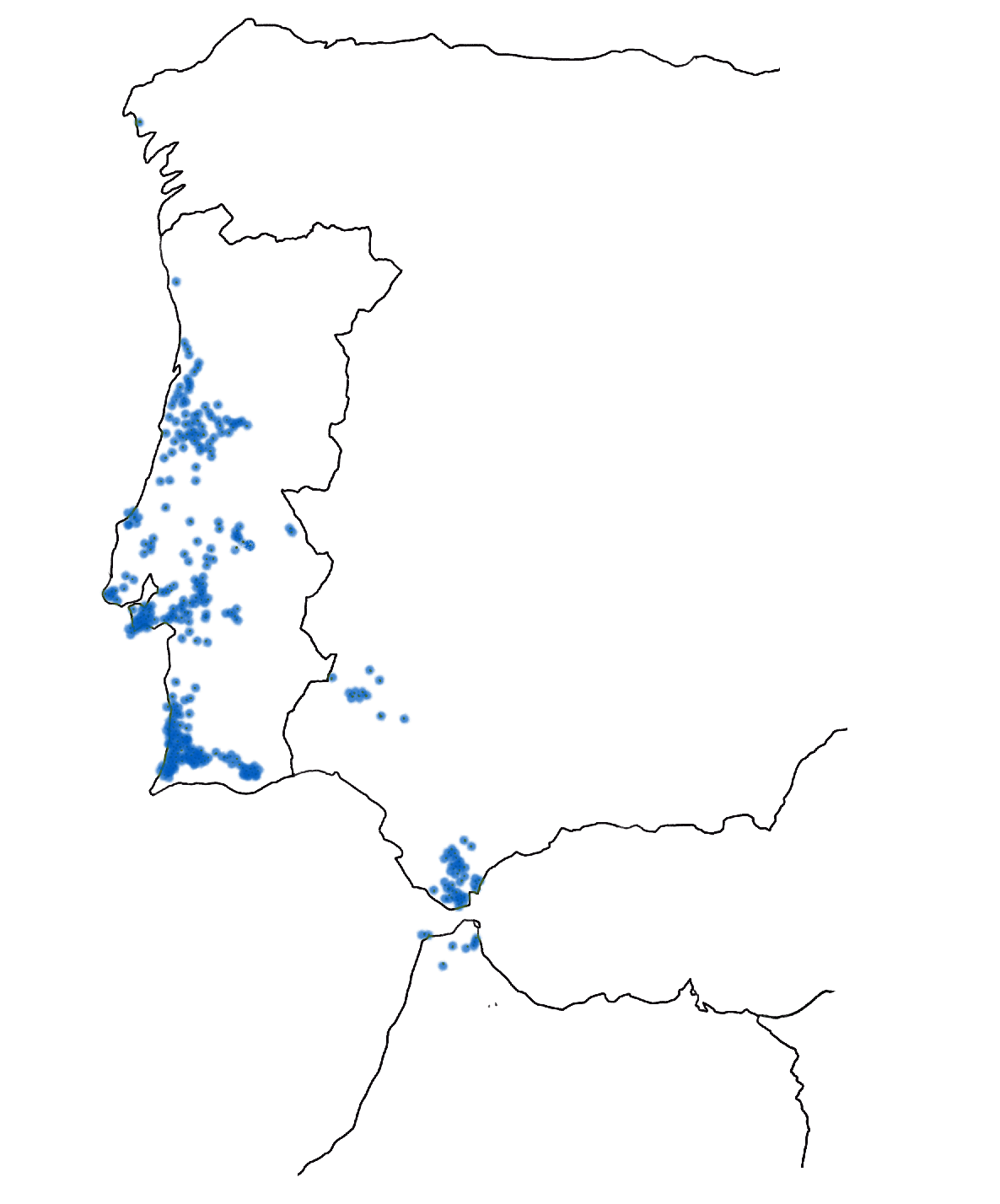
Current distribution map Climate prediction map

DISTRIBUTION

Quercus lusitanica presents an Atlantic distribution, occurring in western Iberian Peninsula and Morocco. Preferentially in acidic and poor soils, where it develops in the undergrowth of oak forests. Climate change scenarios project (2100) a significant loss of climatically suitable areas, accompanied by a displacement of these conditions to the Northwest, where populations are fragmented, with low conservation status and under threat, at risk of disappearance and reduction of the species' occurrence area at national level (Vila - Viçosa, 2023).

Vila-Viçosa, C. Natural History, Biogeography and Evolution of the Iberian White Oak Syngameon (Quercus L. sect. Quercus). Ph.D. Thesis, University of Porto, Porto, Portugal, 2023.

PRESENT

PREDICTION

Suitable Area Gain
Stable and Suitable
Suitable Area Loss
Stable and Unsuitable

CAMPAIGN

AUTUMN 2025

collection bag icon
registration icon
Between October and November 2025, we asked all nature lovers to help us conserve and restore Q. lusitanica populations by logging and collecting acorns throughout Portugal. The response was fantastic and we are very grateful to everyone who participated in this effort.
1

EQUIPMENT

  • GPS device/smartphone
  • Measuring tape
  • Zip bags for collection
  • Paper and pen/Labels
2

LOCATION

  • Focus 0-800m altitude
  • Mixed forests
  • Acidic substrates (sandstones, granites, schists, sandy soils), excluding limestones
  • Association with typical vegetation of cork oak and oak forests (heathlands, rockrose, strawberry tree)
3

IDENTIFICATION

  • Shrub structure
  • Rhizomatous growth (horizontal underground stem extensions)
  • Examine leaves for absence of lobes in the 1/3 to 1/2 and short petiole
4

LOGGING AND COLLECTING

  • Photograph the plant, leaves and acorns
  • Log geographic coordinates (LAT-LONG-WGS84 in decimal degrees) on the zip bag
  • Record the observation on iNaturalist and associate to "LusoQuercus" activity
  • Collect mature acorns directly from the plant, clean and label the bag with date/location
5

SHIPPING

6

BEST PRACTICES

  • Respect properties and sensitive areas; moderate collection
  • Use gloves
  • Never introduce plants outside their origin area without guidance

PLANTING

WINTER 2025

plantar icon
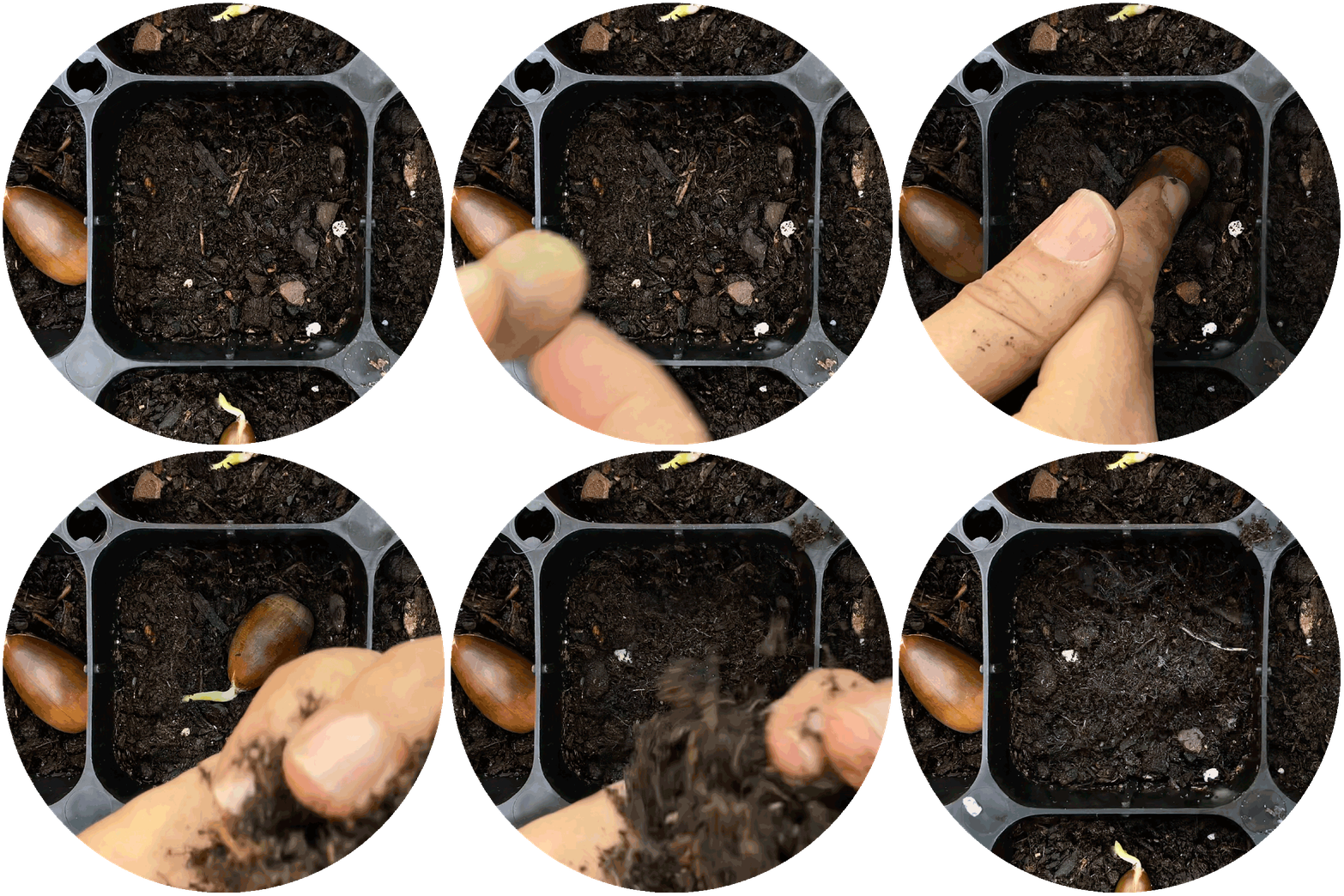
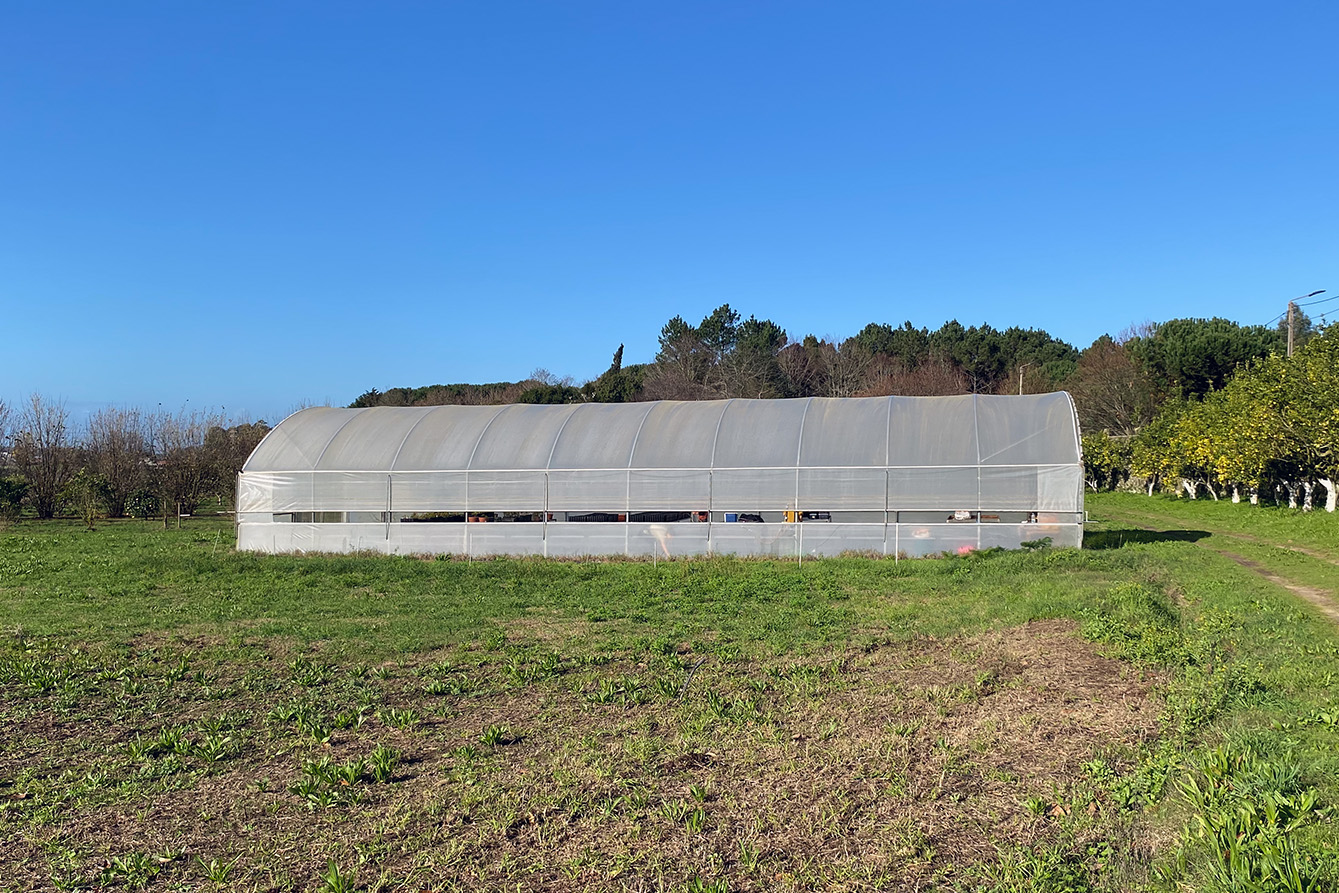
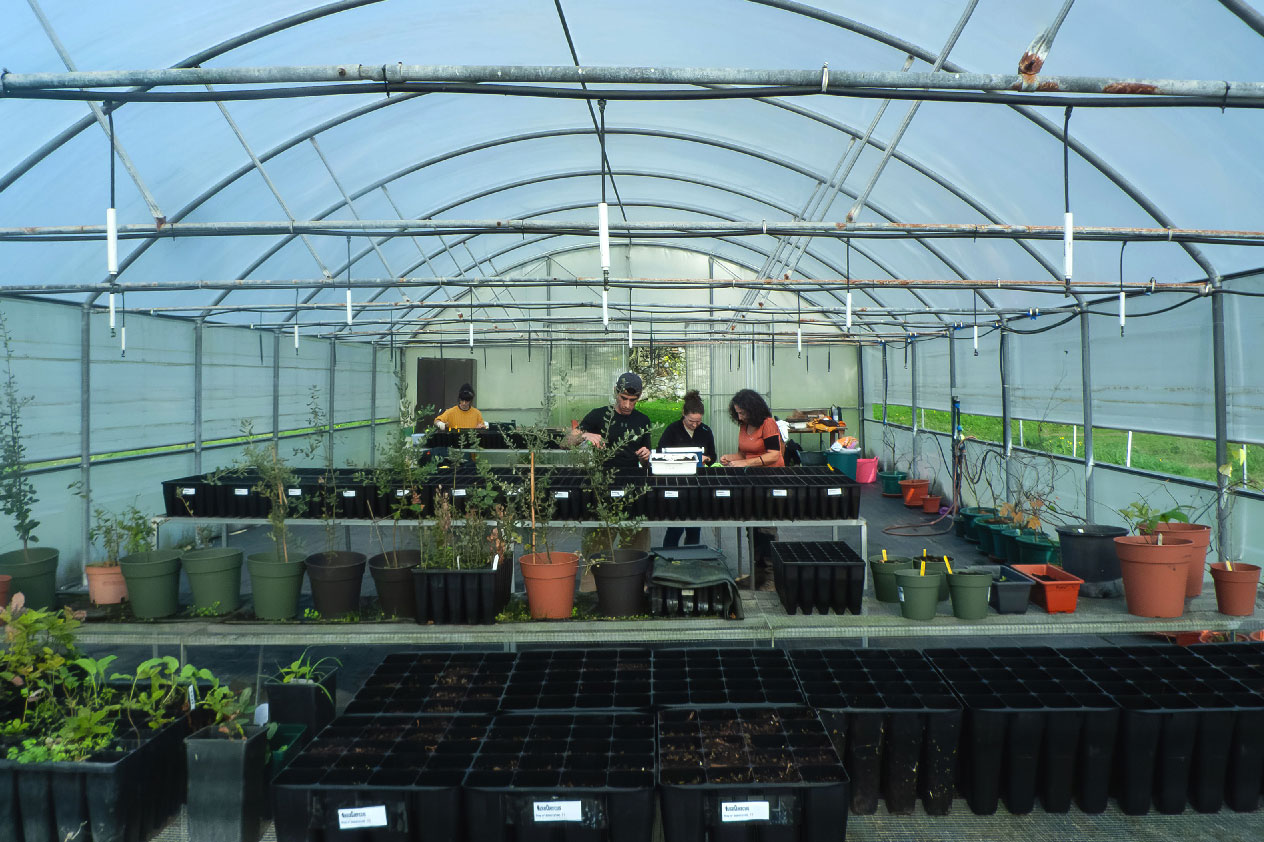
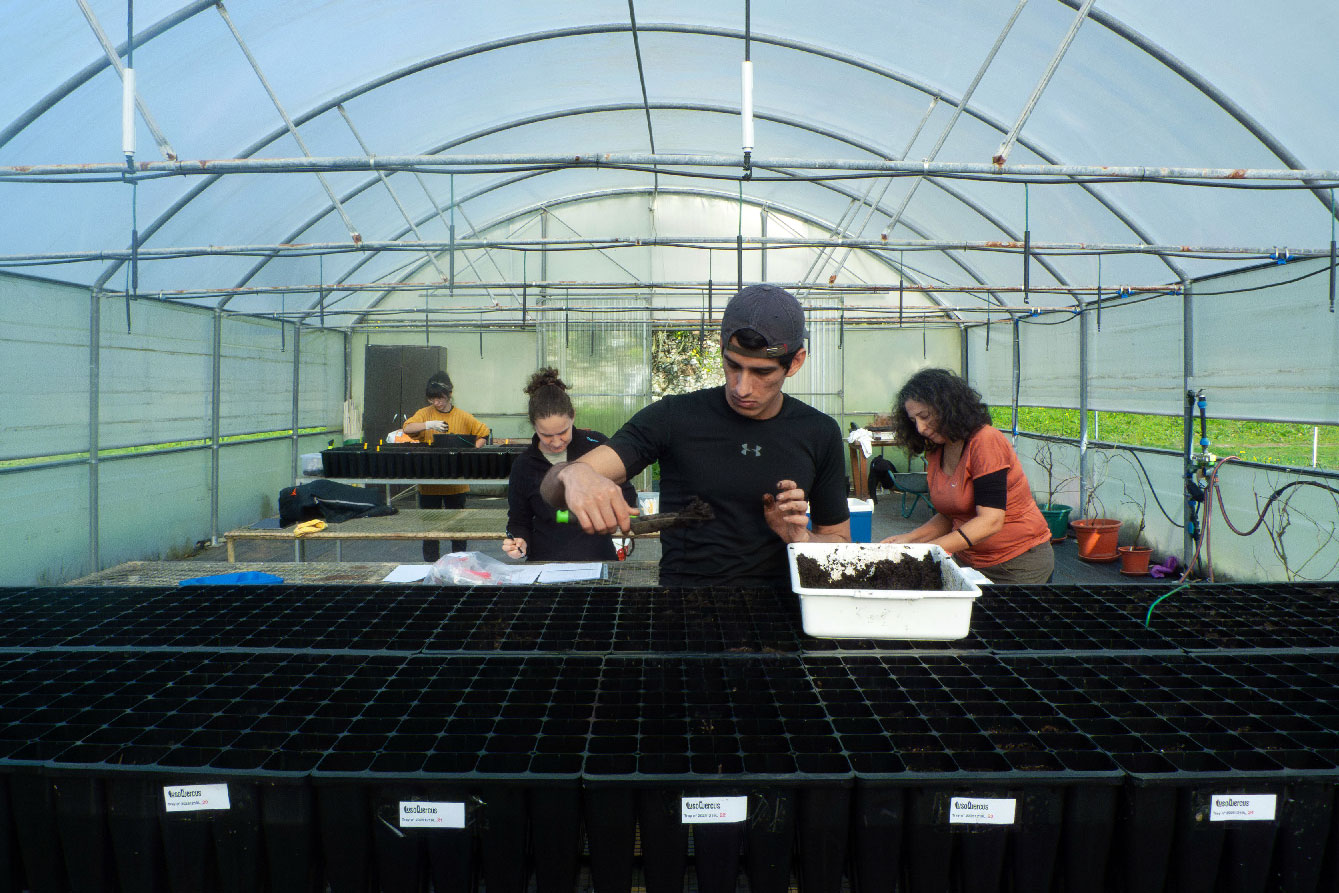
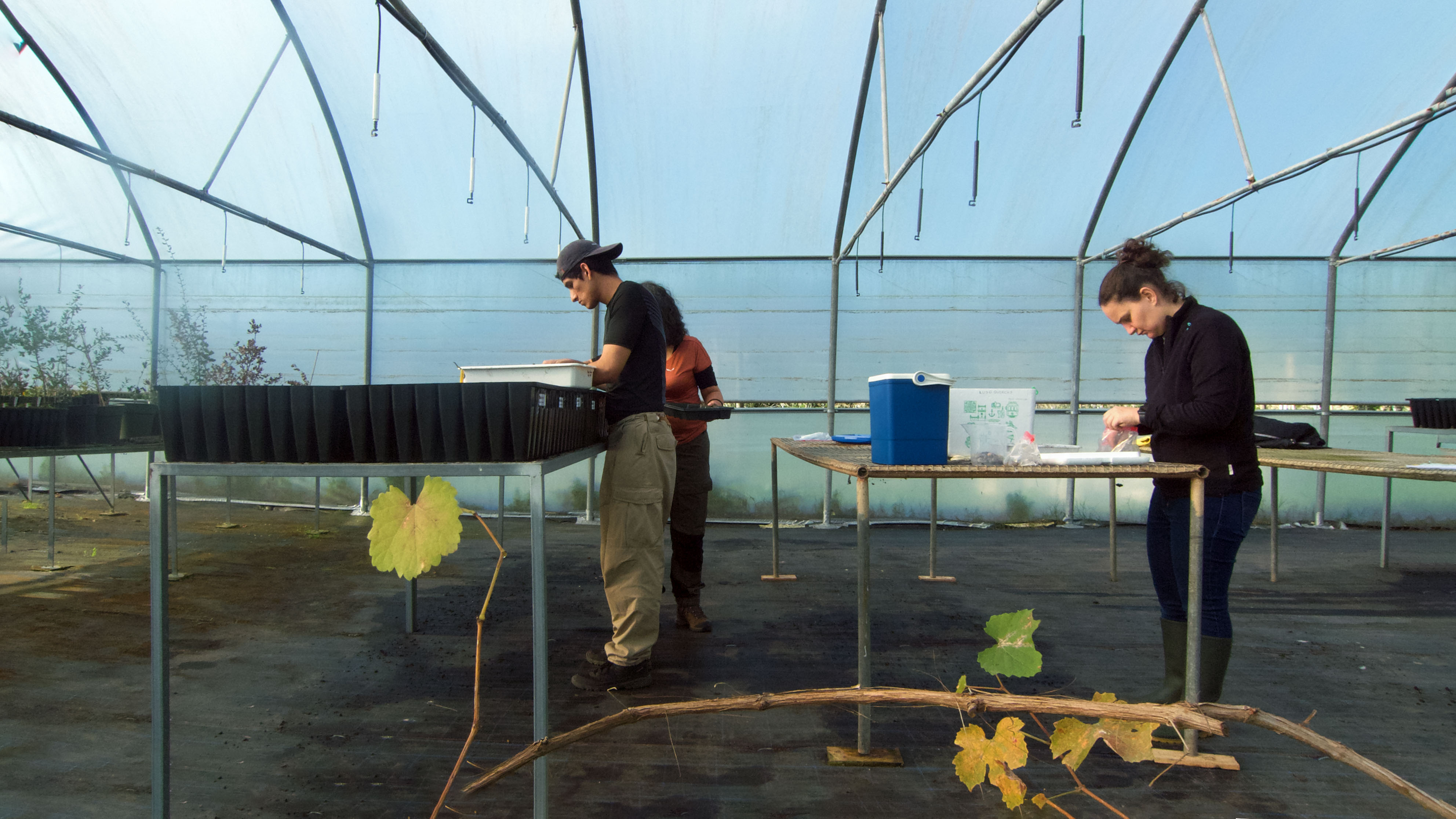
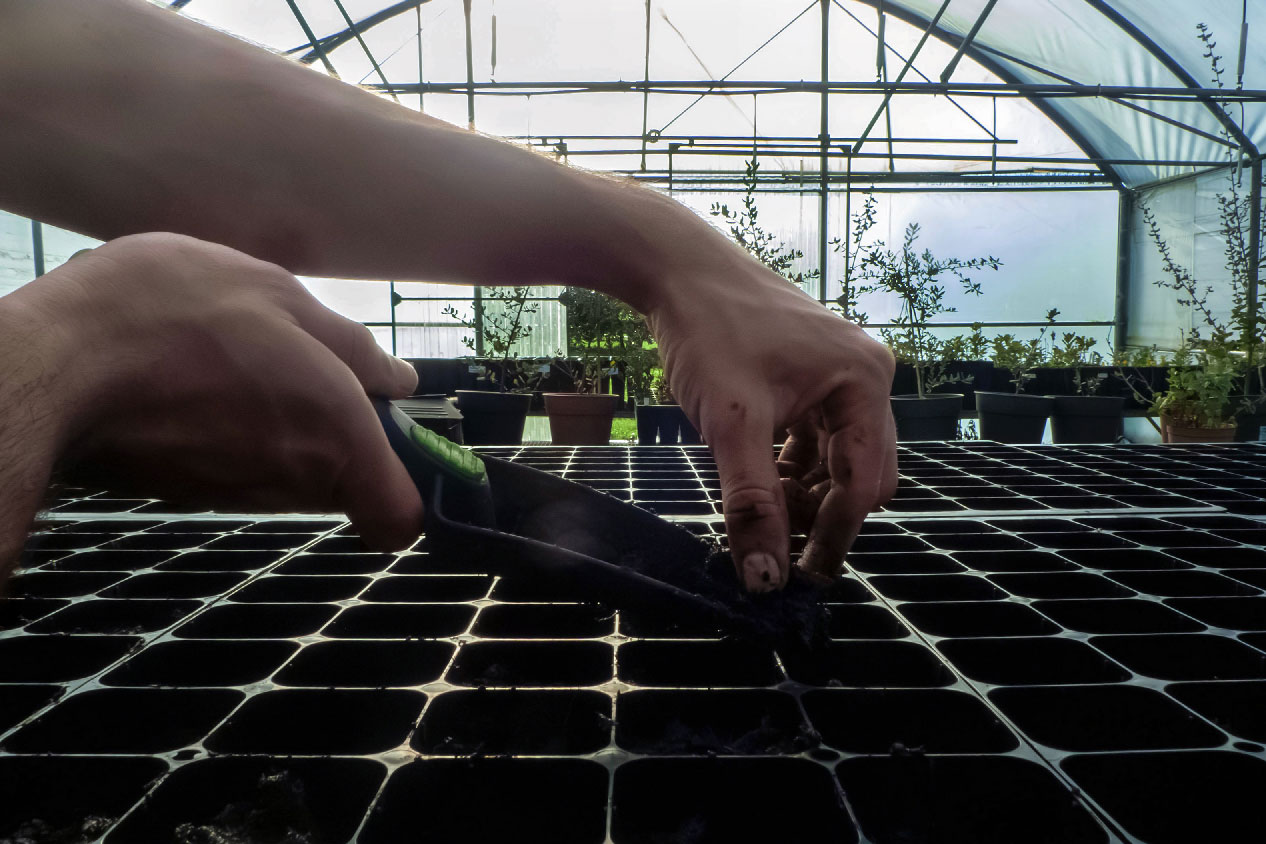
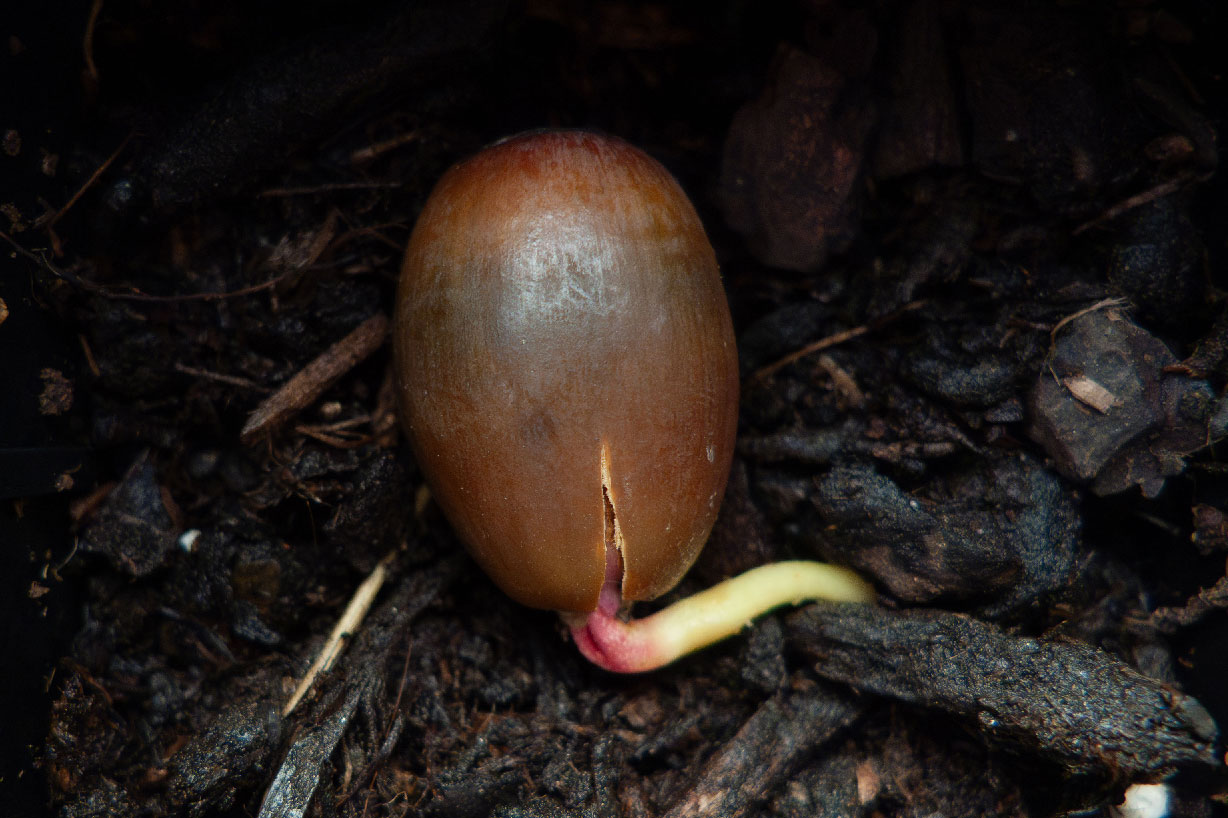
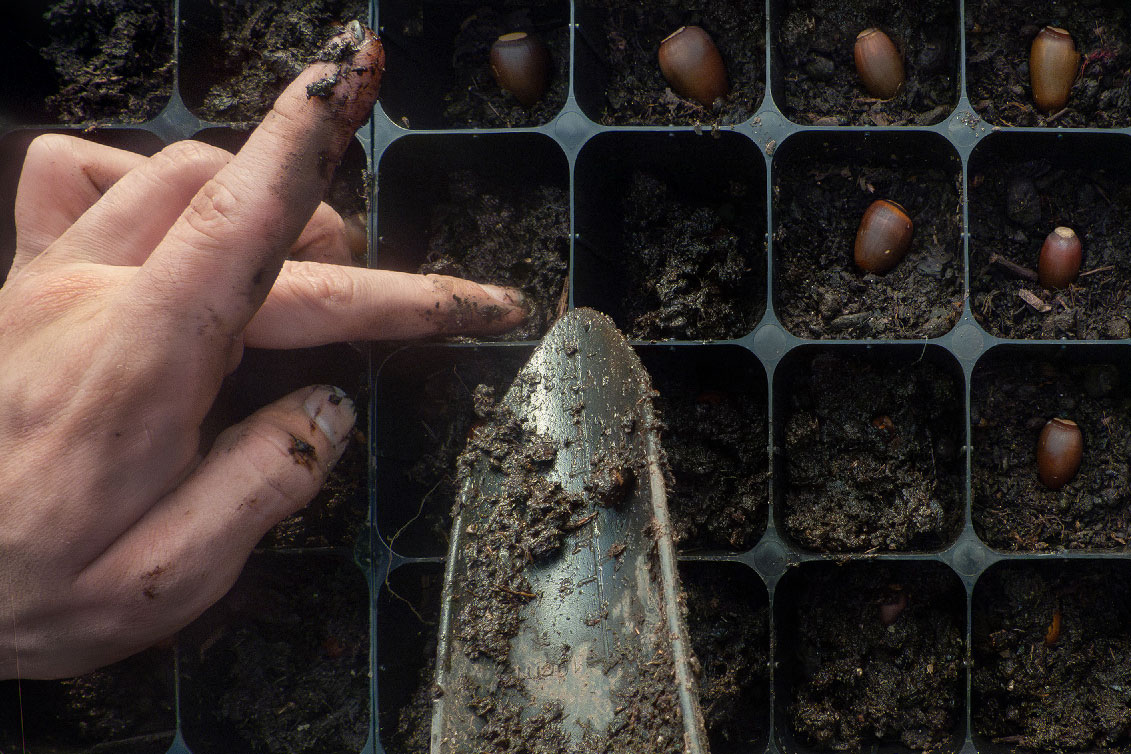
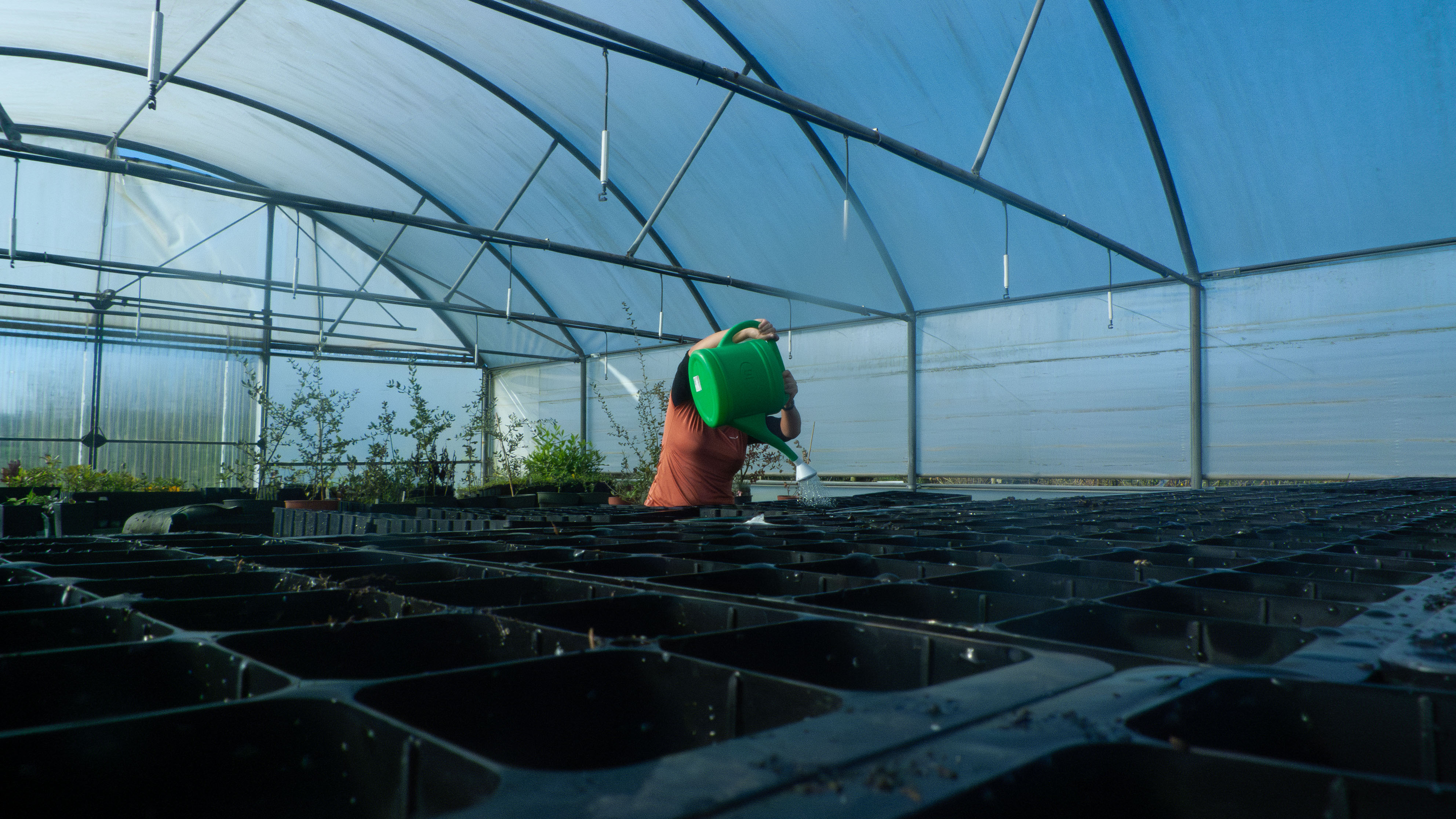
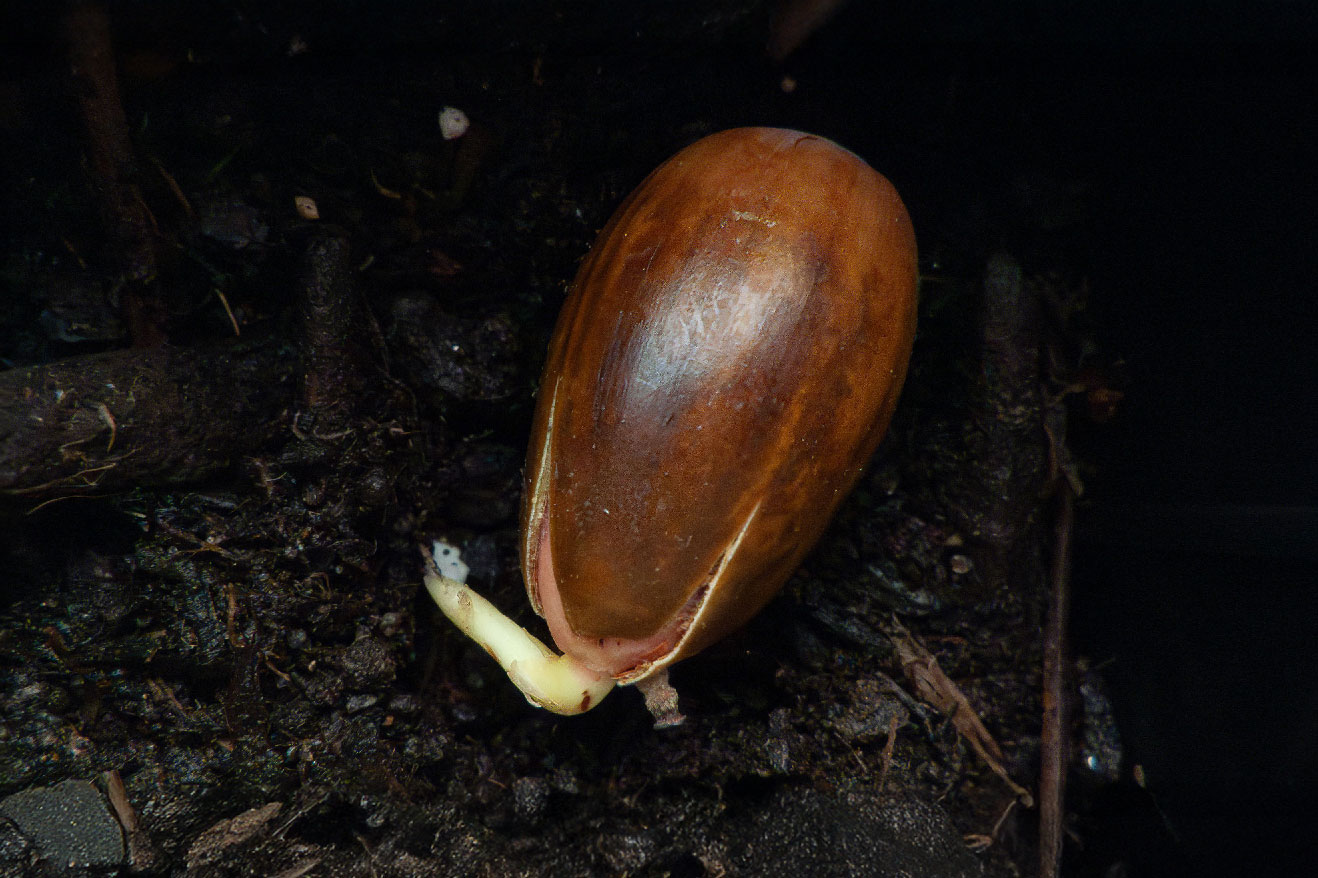
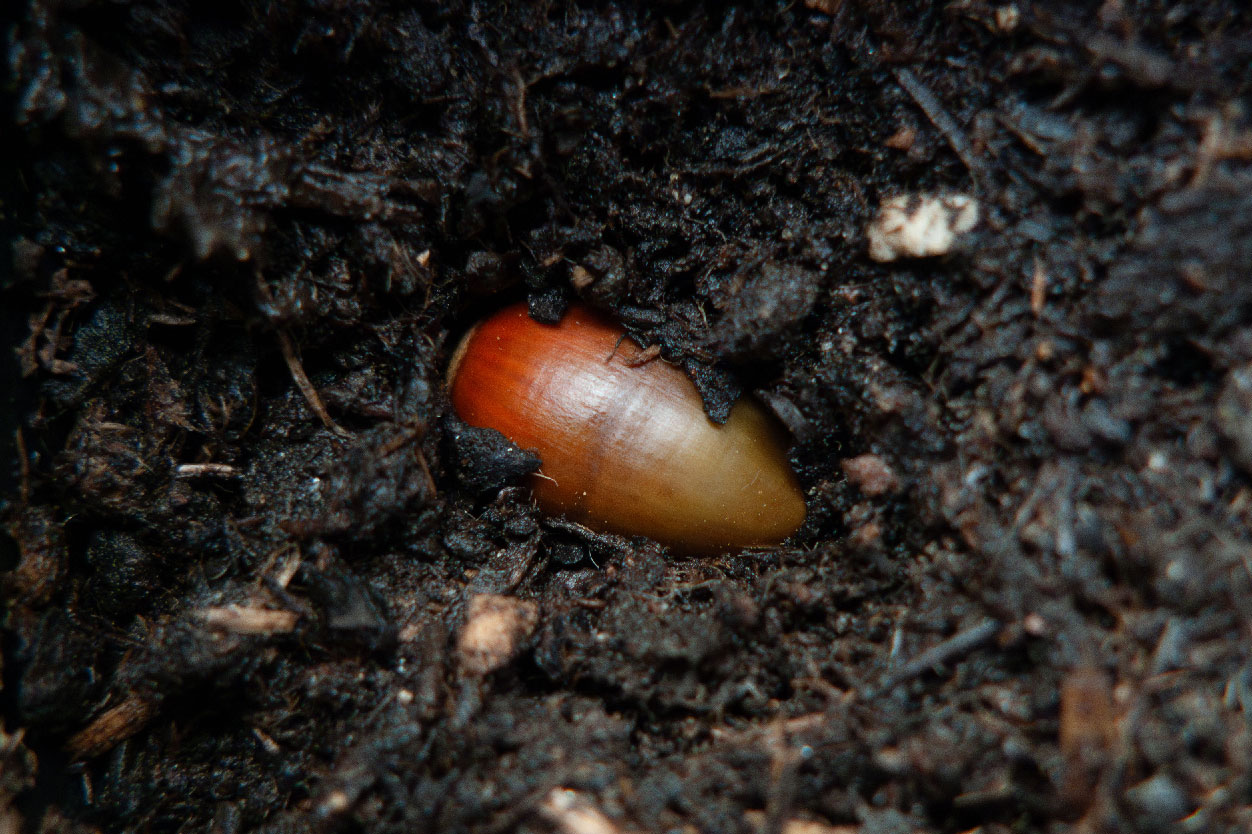
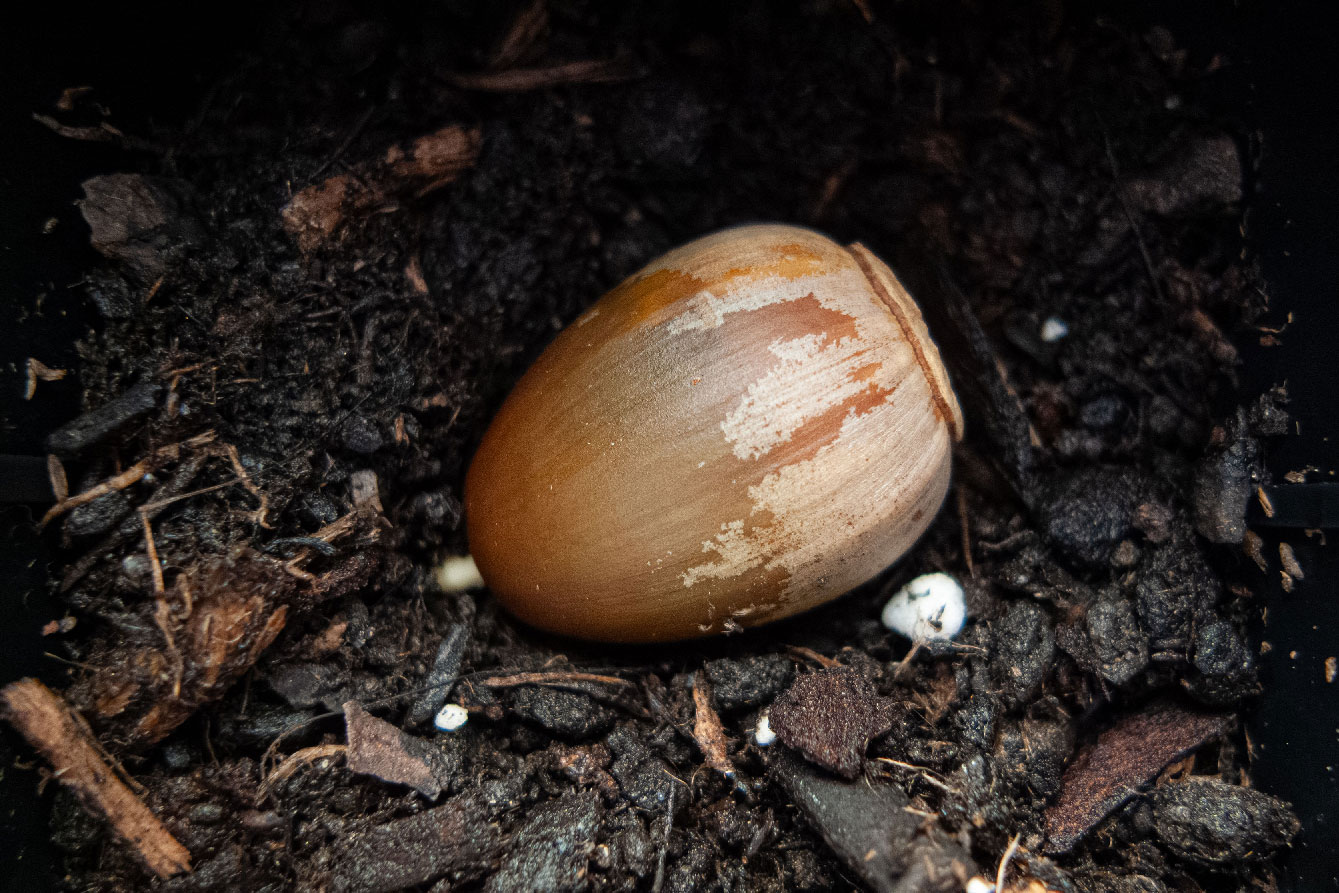
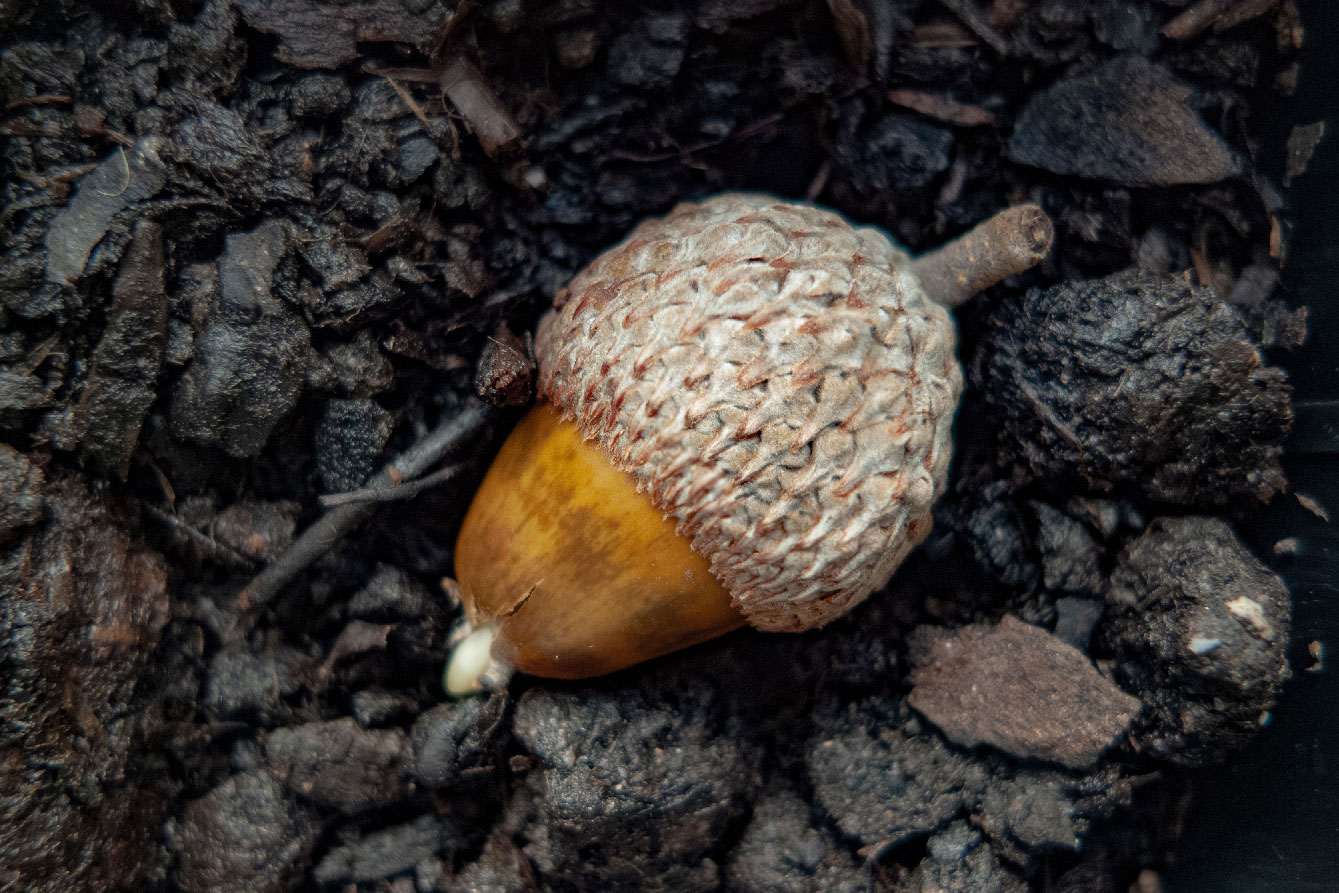
On the 18th and 19th of December, we planted the acorns collected during the Autumn campaign in the Cibio greenhouse.

Quercus lusitanica

Identification Support
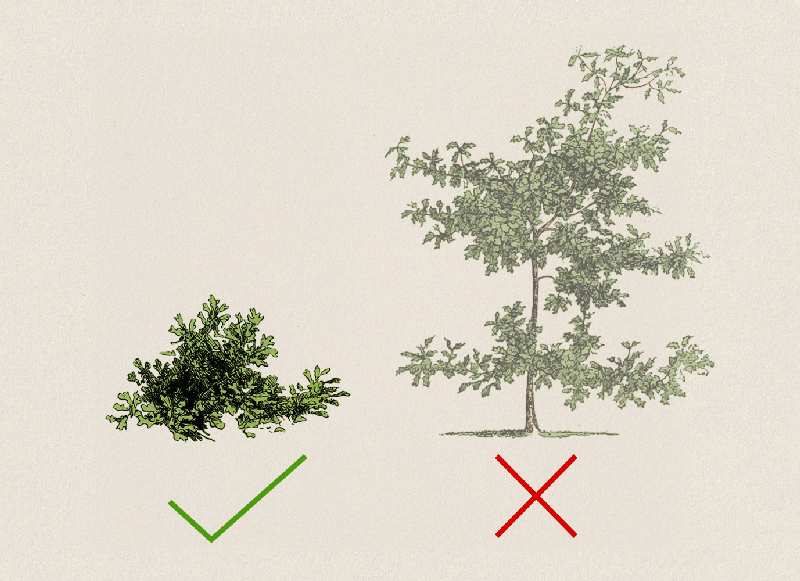
Tree and shrub forms of Quercus lusitanica

Shrub growth

  • Rhizomatous shrub that rarely exceeds 3 m
  • Often just a thicket of about 50 cm
  • Contrasts with the tree form of related species
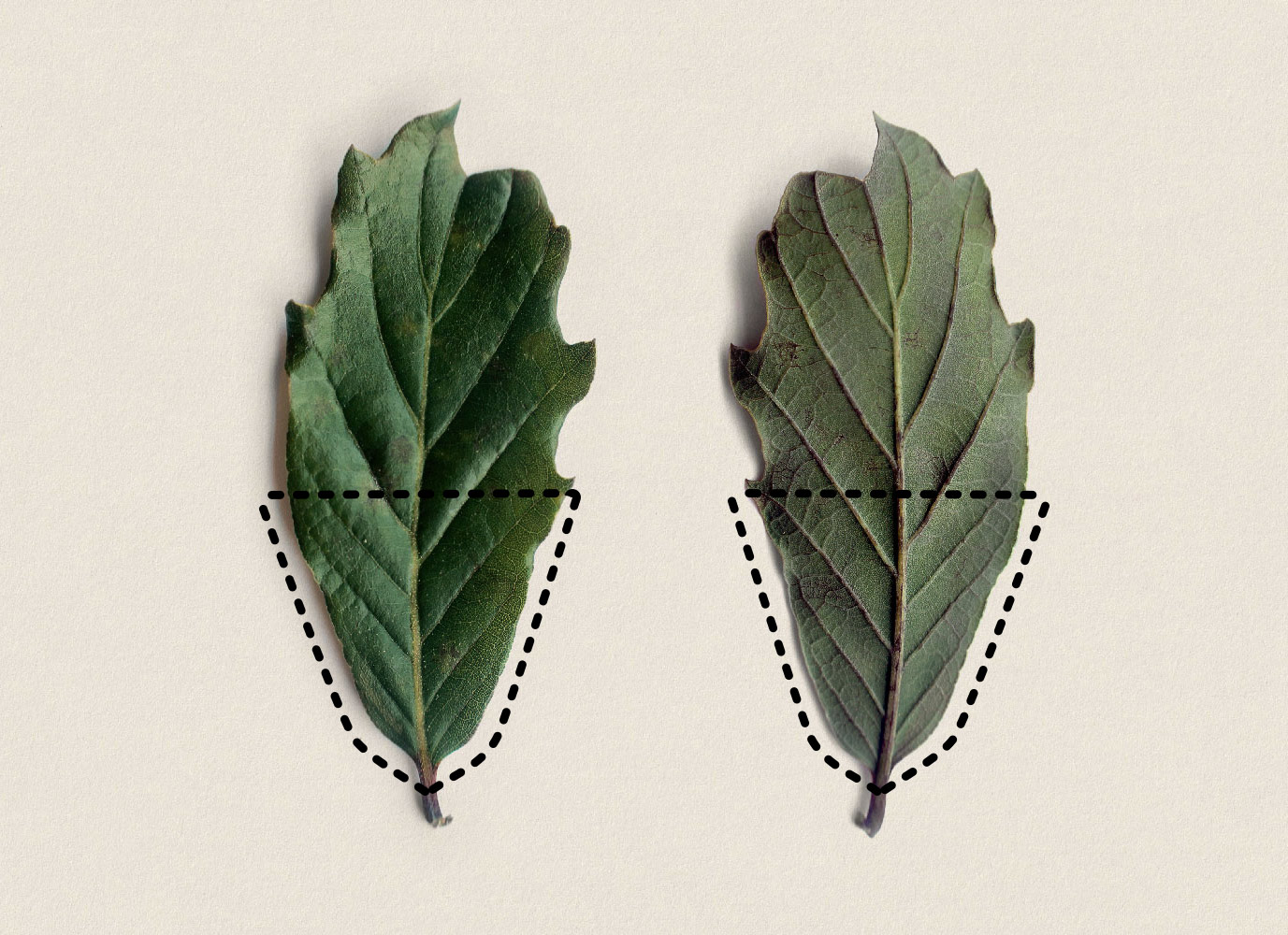
Typical leaf of Quercus lusitanica

Typical leaf

  • Size approximately 2.5-12 cm × 1.2-5 cm
  • Glaucous-greyish color on the lower surface
  • Entire margins (without teeth or lobes) in the 1/3 to 1/2 lower portion
  • Shorter petioles (1-3.5 mm vs. 5-20 mm) compared to Portuguese oak (Q. faginea)

Typical associations
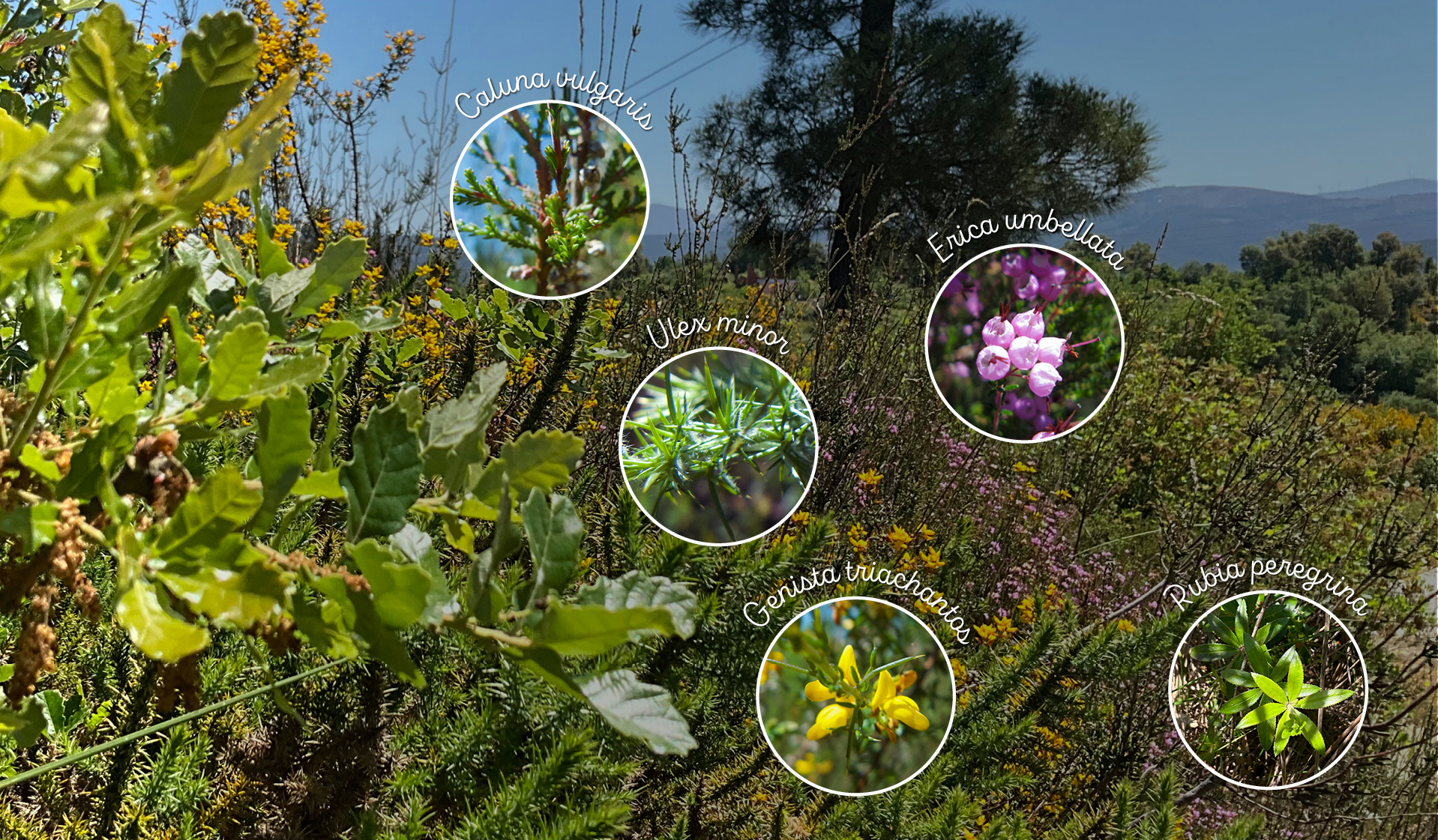
Species associated with Quercus lusitanica
Scroll

CIBIO-BIOPOLIS TEAM

ANA CAMPILHO

Coordinator and Principal Investigator

CIBIO Profile | ORCID: 0000-0002-3470-1943

Researcher in plant developmental biology. Maintains international collaborations with world-renowned laboratories and has extensive experience in interdisciplinary teams. She is also Guest Professor at the Department of Biology, Faculty of Sciences, University of Porto (FCUP).

CARLOS VILA-VIÇOSA

Co-Principal Investigator

CIBIO Profile | ORCID: 0000-0003-4285-8008

International experience in Quercus biodiversity and ecology, Mediterranean forests, geobotany, plant systematics and evolution, habitat restoration.

MARIANA SOTTOMAYOR

Professor

CIBIO Profile | ORCID: 0000-0003-2411-710X

Specialist in plant biology and plant propagation, with recognized skills in pedagogical innovation and science communication, with experience in academic networks and stakeholder interaction. She is Professor at the Department of Biology at FCUP.

MANUEL CURTO

Researcher

CIBIO Profile | ORCID: 0000-0002-1630-4653

Specialist in conservation genetics, molecular ecology, biogeography and evolutionary biology. He is currently a Researcher at BOKU University (Austria).

JESÚS MUÑOZ PAJARES

Professor

CIBIO Profile | ORCID: 0000-0002-2505-8116

Specialist in genomic sequence analysis, molecular ecology and biochemistry. He is Professor at the University of Granada (Spain).

RUBIM ALMEIDA

Professor

CIBIO Profile | ORCID: 0000-0003-4959-0147

Specialist in plant systematics and evolution, Quercus diversity and ecology and science communication. He is Professor at the Department of Biology at FCUP.

FERNANDO TAVARES

Professor

CIBIO Profile | ORCID: 0000-0001-9913-1155

Specialist in phytopathology, microbiology, bioinformatics, comparative genomics and science communication. He is Professor at the Department of Biology at FCUP.

ANA RITA SEABRA

Researcher

CIBIO Profile | ORCID: 0000-0002-7904-4393

Researcher in Plant Sciences specialising in molecular biology, biochemistry, and interactions with microorganisms. Highly experienced in plant propagation and cultivation.

PAULO FARINHA MARQUES

Landscape architect and Researcher

CIBIO Profile | ORCID: 0000-0003-4454-7553

Specialist in planning, design and management of public green spaces and infrastructure - parks, gardens, squares and tree-lined streets, green corridors among others. He is Professor at FCUP and Director of Porto's Botanical Garden, a space of the Natural History and Science Museum of the University of Porto.

CATARINA TEIXEIRA

Landscape architect and Researcher

CIBIO Profile | ORCID: 0000-0002-1456-3846

Specialist in ecological restoration, biodiversity conservation, and climate resilience. She is Guest Professor at the Department of Geosciences, Environment and Spatial Planning at FCUP.

MATEO GILER

MSc Student

CIBIO Profile | ORCID: 0009-0001-6834-2061

Biology graduate with a particular interest in plant research and conservation, currently completing a Master's in Functional Biology and Plant Biotechnology at FCUP.